

“Sunlight is really bad because it gives you cancer and destroys your skin”
That is what EVERYONE is saying nowadays. Everyone is afraid of the sun because doctors, dermatologists and other “smart people” say it’s dangerous.
But that is total BS. Sunlight is one of the most important aspects of health and in this post I am gonna go over why, along with how to maximize your sun exposure without burning.
“UV light causes cancer”
This is the common answer to why sunlight is bad. UV light. The reason for this is because some studies have showcased that UV light in ISOLATION can cause skin damage and cancer.
But the important word is isolation. In nature you never get UV light in isolation.
So you really can’t use these studies to say that sunlight is bad and causes cancer since sunlight is so much more than just uv light.
It’s like saying fruit is unhealthy because it contains fructose and fructose in isolation has been shown to cause diabetes, heart disease etc.
But when you look at fruit as a whole you get a whole different picture. Fruit consumption has been associated with a lower risk of all cause mortality multiple times, so that debunks the fructose = bad (PMID: 25073782).
So what do the studies show that look at full spectrum sunlight and not just uv light in isolation?
Well you probably already guessed it. The more sunlight you get the longer you live. And to be honest, you would have to be delusional to actually believe that the thing responsible for all life on earth is suddenly killing us.
One of the best studies showcasing that sunlight is great for you is the Southern Sweden Melanoma study (PMID: 26992108). This study was done over 20 years, following nearly 30,000 swedish women. You can read it yourself but in short it basically said that those who got more sun exposure had a lower risk of all cause mortality.
They also found that nonsmokers who avoided sunlight had a similar life expectancy to smokers with the highest sun exposure, which is just crazy.
Similar studies have been done, also showing that more sun exposure = reduced all cause mortality.
If sunlight was actually the culprit, then why are skin cancer rates going up simultaneously with humans getting less sunlight and using more sunscreen?
That’s something sunlight fearers have a hard time explaining, and for good reason. Because you literally can’t.
When you get sunlight you get a wide spectrum of light, and any potential negative effects of shorter wavelength light like uv and blue gets balanced out by longer wavelengths like red and infrared.
One of the positive effects of infrared light are it’s effects on melatonin production in the skin.
Most people think of melatonin as the hormone responsible for making you sleepy and regulating your sleep/wake cycles. And while it also does that in the brain, melatonin is also a potent antioxidant in the skin.
Melatonin is synthesized in the skin by your mitochondria when you’re exposed to infrared light.
In fact, about 50% of sunlight that reaches the earth is infrared, so now you might understand why it’s flawed to study uv light in isolation and conclude that sunlight causes cancer.
But basically, melatonin acts as an antioxidant in the skin, which means it neutralizes free radicals like ROS and RNS, thereby decreasing oxidative stress. This is vital in a world where we’re constantly bombarded with stuff that causes oxidative stress like EMF radiation, shit food, poor air quality, heavy metals etc.
This melatonin production, which infrared light is responsible for, is probably one of the main reasons that sunlight isn’t bad, while uv light in isolation is.
However, sunlight also does a whole lot of other great stuff to the body.
Benefits of sunlight
Vitamin D production
The most obvious one is probably vitamin d production, which happens when you expose your skin to UVB light.
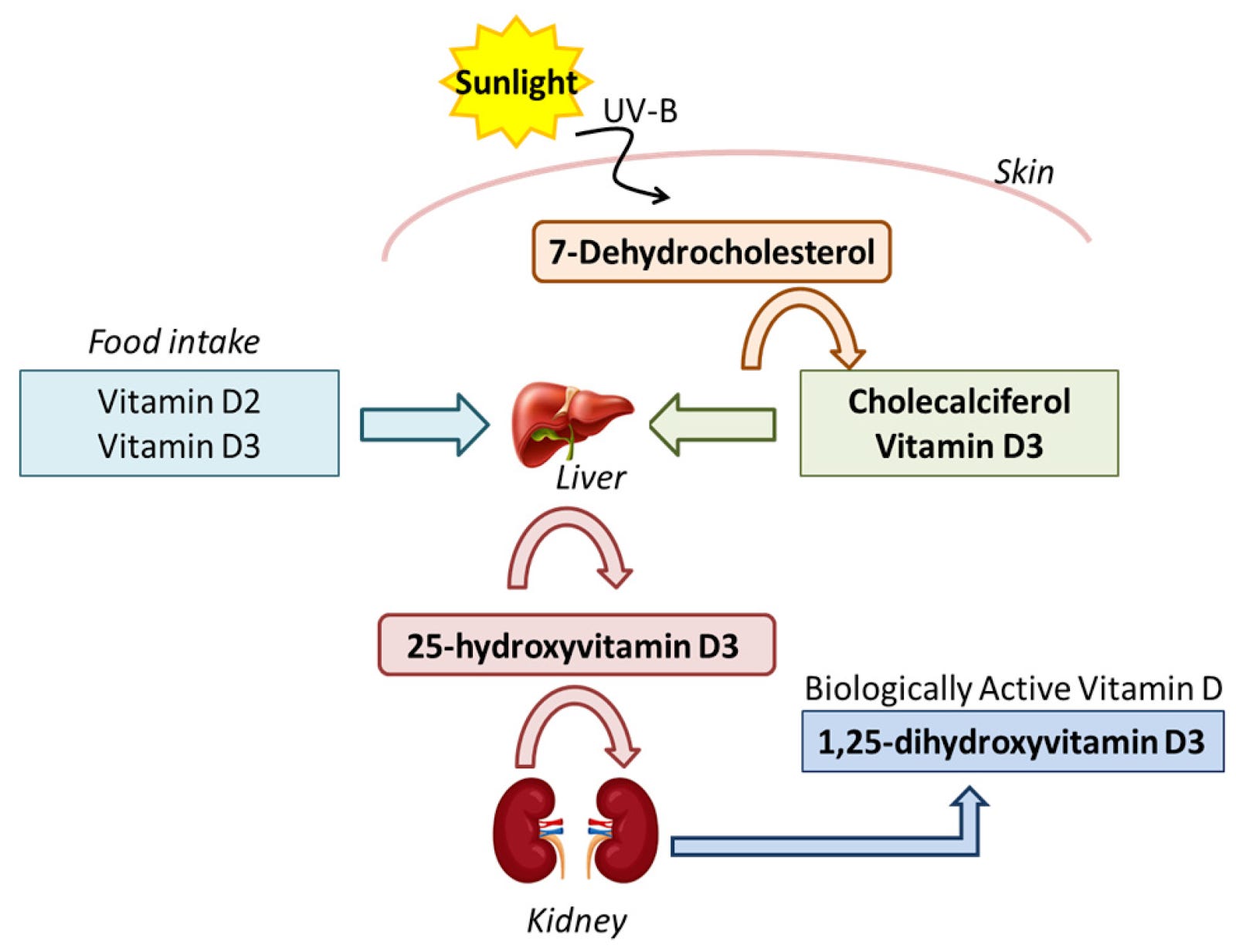
Your body uses 7-dehydrocholesterol (precursor to cholesterol) to make pre vitamin d3 when uvb light hits your skin. This is then carried to your liver via some proteins which then converts it into the more active form of vitamin d, which is responsible for all the benefits of vitamin d (higher testosterone for example).
It’s all a bunch of fancy words that you don’t really need to understand. What is important to understand however, is that you can’t replace this with a synthetic vitamin d supplement.
When I debate the importance of sunlight with people, their response to the vitamin d problem is “I just take a vitamin d supplement”.
Yeah sure, just take some synthetic vitamin d pill made from some bullshit in a chinese factory and believe that will give you the same benefits as actually getting sunlight.
Spoiler alert, it won’t.
There’s also a big difference in how your body responds to vitamin d from the sun vs from a supplement. When you get it through a supplement it enters your bloodstream all at once which is really unnatural. When you get it from the sun your body first has to convert uvb light into it, which means that you get a much more slow and steady supply of it.
When you get vitamin d from the sun your body also knows when it has enough, and stops production after a certain point, which you don’t get with supplements.
This means that vitamin d supplementation puts you at a higher risk of taking too much, which can lead to calcium buildup in your arteries and other bad stuff.
And this is just the effects of vitamin d, when you get sunlight you also get a million other benefits that you don’t get from a pill.
Nitric oxide production
UV light from sunlight stimulates nitric oxide production which has a bunch of benefits for your body.
FIrst up, nitric oxide is a vasodilator which means it expands your blood vessels. This can help reduce your blood pressure and improve blood flow, leading to overall better cardiovascular health.
This improved blood flow also improves exercise performance by better delivering oxygen to your muscles, thus improving endurance, reducing fatigue and improving recovery (more gains).
Red and infrared light
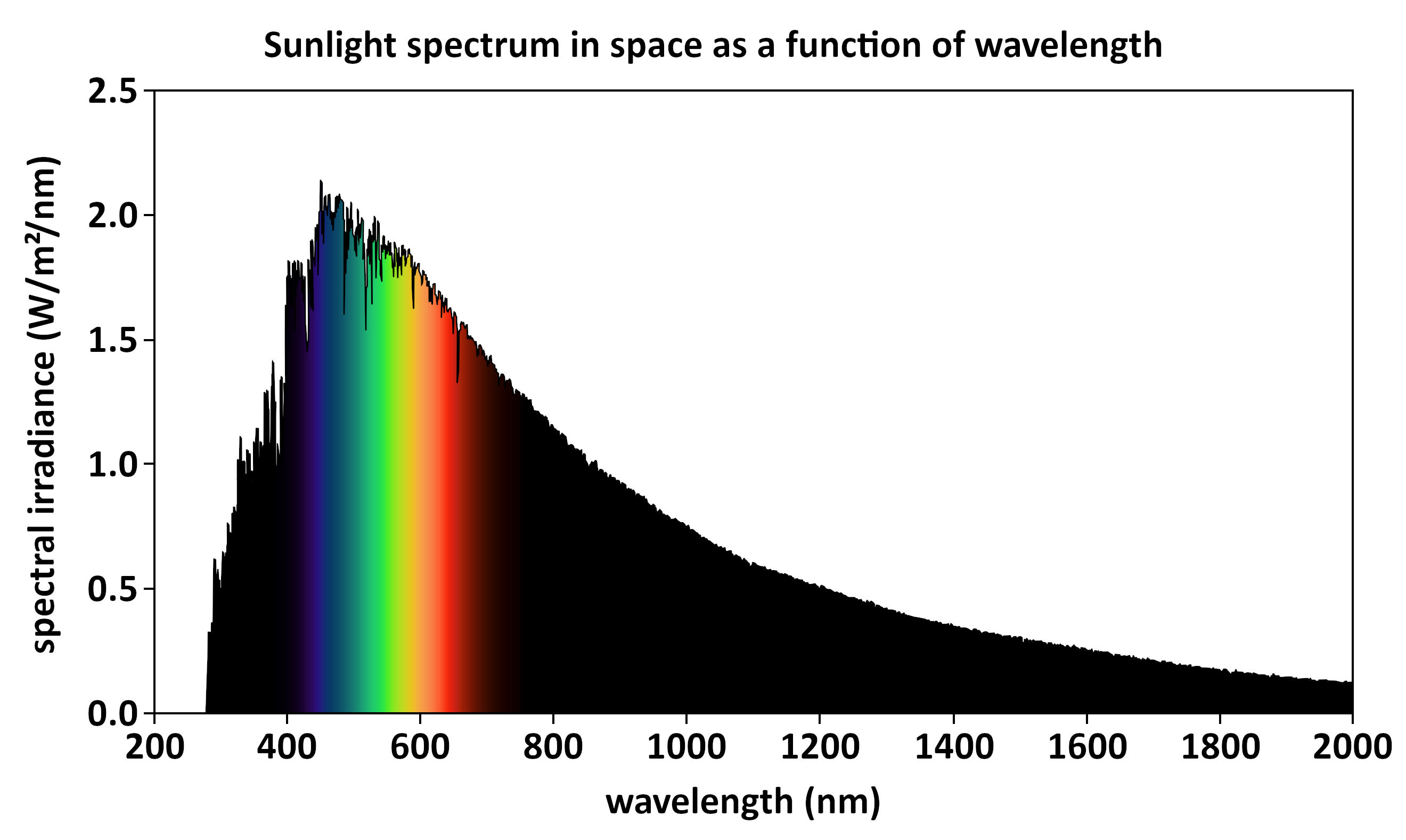
I know I already touched on infrared light a bit at the start when I went over why UV light from sunlight isn’t something to be afraid of, but I still wanna go a bit more in depth just because it’s such an important part of sunlight that has many important benefits for health.
There’s a reason why red light therapy devices have become so popular over the last couple years and people spend thousands of dollars on them. They work, and the red and infrared light they emit have potent benefits for our health. But what if I told you that you could get the same benefits (and more) by just being out in the sun.
Like I said earlier, sunlight is about 50% infrared light and a lot of red light as well. This means you can get the same wavelengths of light (and more) that these devices use for free just by being outside.
And to be honest, there are so many more benefits to sunlight over a red light panel, so I really don’t think there is any reason to lash out thousands of dollars just to get one.
Some of the benefits of red and infrared light is better mitochondrial function, improved skin health and hair health, improved eyesight, reduced inflammation and so much more.
Literally go look up “infrared light pubmed” on google and just look at a couple studies and see the benefits for yourself.
It basically all starts with improved mitochondrial functions which then cascades into all these other benefits like skin health, hair health, eyesight, reduced inflammation, improved brain health etc.
The mitochondria is the powerhouse of the cells so when they are working properly it’s like your body is firing on all cylinders. You basically just become more efficient.
One of the ways that infrared light improves mitochondrial function is basically through increased ATP production (energy) and melatonin production (antioxidant which reduces oxidative stress).
This improved ATP production helps regenerate skin cells and infrared light also improves collagen synthesis as well, which improves skin elasticity and overall skin health and looks.
Nitric oxide which I touched on earlier is also stimulated which improves blood flow to the skin and hair (also rest of body), which improves oxygen and nutrient delivery to those critical areas.
Sleep and circadian rhythm
Light is the biggest factor for setting your circadian rhythm aka your body's internal clock. Every single cell in your body follows this circadian rhythm to some extent so having it aligned to the 24 hour day and night cycle is extremely important for overall health.
And guess what plays the biggest role in setting your circadian rhythm? Sunlight.
You might not think it’s that much brighter outside compared to inside but trust me, it is.
Typical indoor lighting is about 100-500 lux (unit of illuminance), where a sunny day outdoors can be well over 100,000 lux. Even when it’s overcast, the outdoors are still many times brighter than even the brightest indoor room.
And why am I telling you this?
To show you that you need sunlight to set your circadian rhythm.
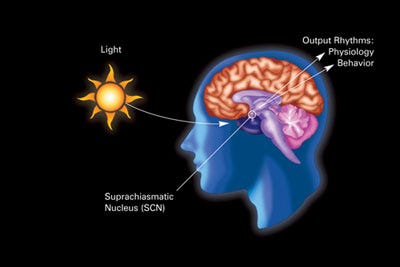
Light hits your retina where it goes through some processes before it gets sent to the suprachiasmatic nucleus (the bodys master clock) and tells your body what time it is.
The stronger the light source, the stronger the signal that gets sent to the suprachiasmatic nucleus and the better your circadian rhythm gets set.
Your body needs these strong input signals from light and dark so if you sit inside pretty much all day because you’re scared of the sun you are literally messing up your bodys internal clock and hurting a lot of bodily functions.
So basically what I am trynna say is that it is extremely important to get sunlight throughout the day to anker your circadian rhythm, thereby improving your sleep and getting all the amazing benefits that follow when your sleep is dialed.
It’s especially important to get sunlight as soon as you wake up to signal to your body that it’s daytime and to get your healthy morning cortisol spike to get you ready for the day.
Hopefully I have convinced you that there are some amazing benefits to the sun, and that the sun in itself is not responsible for the dramatic rise in skin cancer we are seeing.
But then what is?
What actually causes skin cancer?
This question needs a nuanced answer because the question isn’t really that straight forward.
But really there are a couple things responsible:
Indoor lighting
First up, indoor lighting. It’s terrible, straight up.
Sunlight that comes through the window gets filtered of most of it’s red and infrared light and is left with a lot of blue and green (short wavelength light).
On top of that we light our homes with LED bulbs that once again are missing the crucial infrared light and is high in short wavelength blue light.
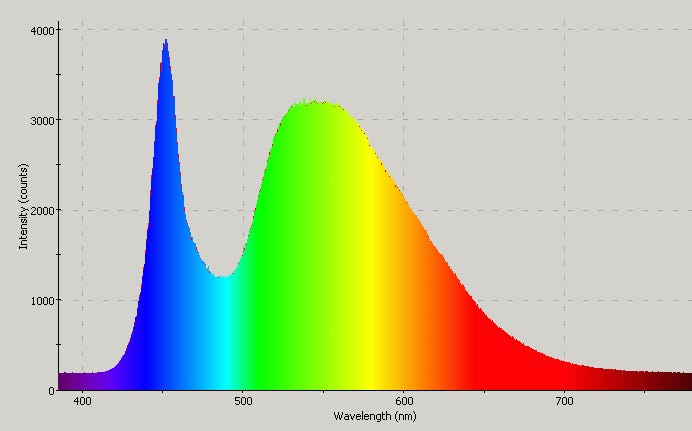
This means we are bombarded with short wavelength blue and green light when we are inside which has a detrimental effect on our skin health.
These shorter wavelenghts have been shown to accelerate the aging process of the skin via multiple mechanisms like breaking down collagen and elastin (crucial for skin elasticity and appearance) and producing free radicals.
When theres no infrared light (or very little) theres no production of melatonin which means no antioxidants to donate an extra electron to free radicals which means oxidative stress which means accelerated aging process and inflammation.
Another thing I wanna touch on is this picture which I know you’ve seen before:
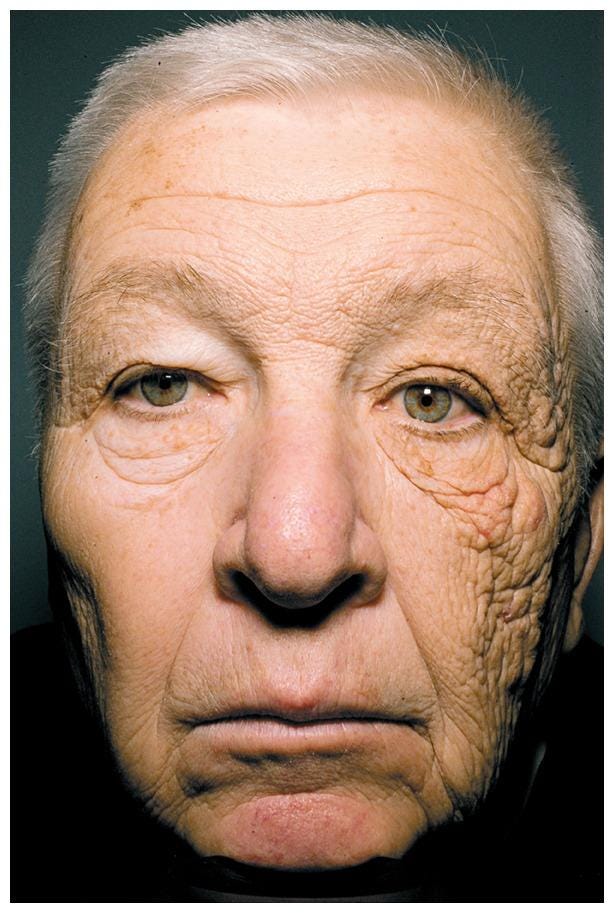
This has been going around social media for the last couple years as the “proof” that sunlight is dangerous and causes accelerated aging of the skin.
I know you’ve seen this shit, but let me just tell you that it is total bullshit.
This picture is of a truck driver who has gotten sunlight THROUGH A WINDOW for nearly 30 years and the results of it.
Like I said, windows block most of the healing red and infrared and lets nearly all of the shorter wavelengths through.
So you can probably come to the conclusion that this isn’t from sunlight but rather indoor lighting high in blue light.
It’s so ironic because all these people that fear sunlight thinking it’s gonna kill them, make them look old and wrinkly, are literally sitting inside all day under harsh blue led lights damaging their skin without even knowing it.
Isn’t it also weird how skin cancer rates are skyrocketing despite the fact that we are more indoors than ever before and are using more sunscreen than ever before?
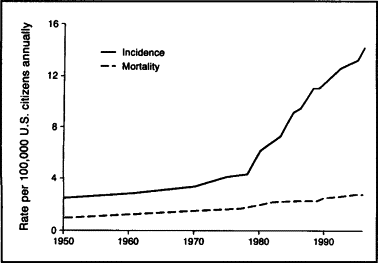
This brings me on to my next point.
Sunscreen
The very thing you put on your skin to “protect you from cancer” contains proven cancer causing chemicals. Isn’t that just ironic?
Literally go look at your sunscreen and see if you can’t find some of these ingredients: oxybenzone, avobenzone, homosalate, octinoxate, octocrylene etc.
These are some of the ingredients that have literally been proven to cause cancer, mess with your endocrine system, fuck up your hormones and so on.
On top of that there are also just tons of other bullshit ingredients you can’t pronounce that probably aren’t good for you.
You know what they say, “if you can’t eat it don’t put it on your skin”.
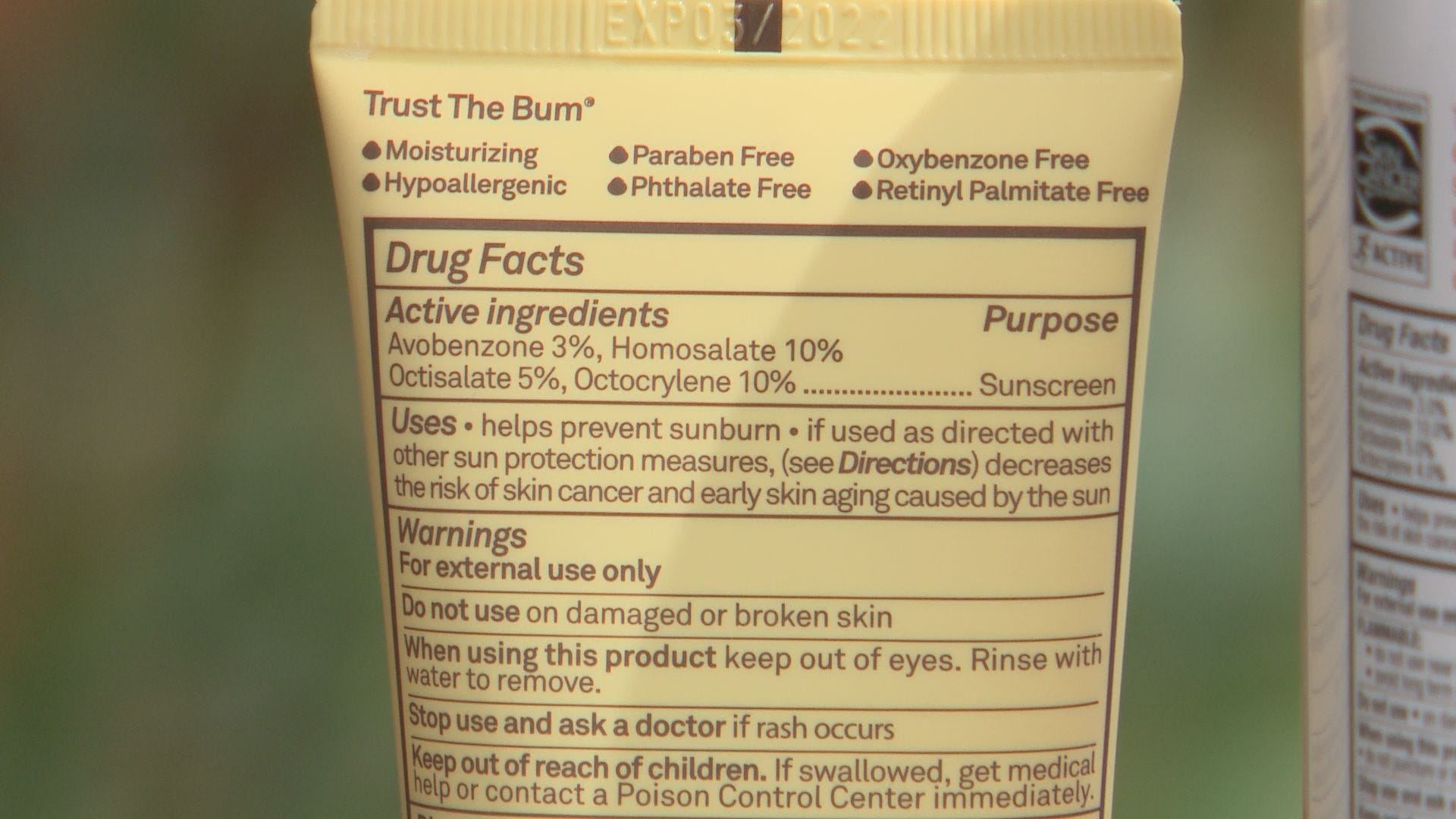
So please don’t fall for the propaganda and think you need this shit to protect yourselves from skin cancer.
This is just being promoted by billion dollar conglomerates so they can make even more money off you and fuck up the world in the process.
These active ingredients like avobenzone and octocrylene are also REALLY bad for the oceans and all the life in them.
These chemicals mess with fish’s and other organisms endocrine and reproductive systems and destroy the coral reefs.
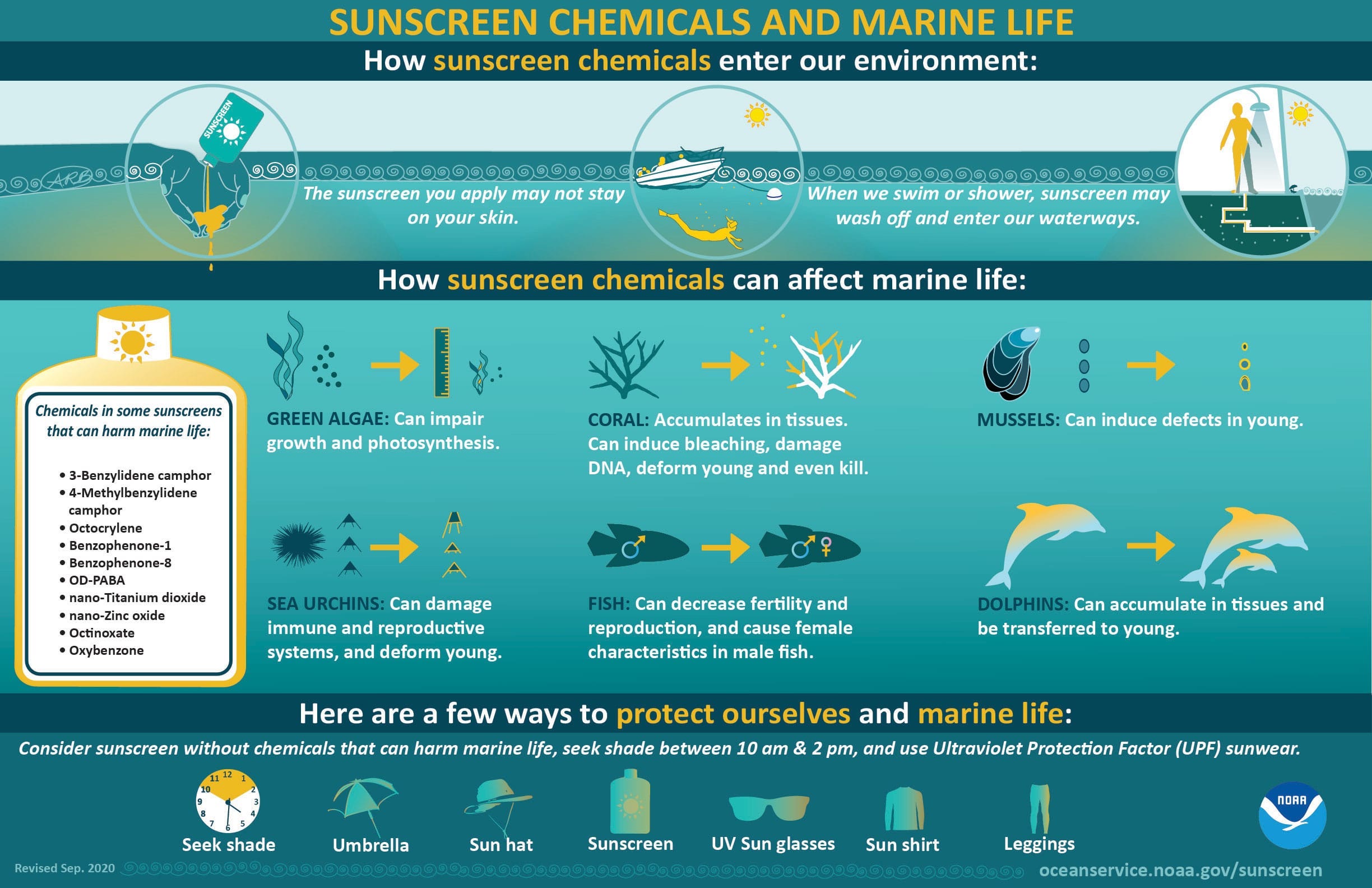
Later in this article I will get into what you can use instead of these shitty sunscreens if you absolutely need to protect yourselves (cause there are a few times when it can be worth it).
Poor diet
Low quality foods = higher risk of getting sunburned, simple as that.
Make sure you cut out ultra processed foods, seed oils and other inflammatory foods that increase your risk of getting sunburned.
How to tan without getting burned
Most people think they need sunscreen if they wanna to be out in the sun for an extended period of time without getting burned.
But that’s just bullshit.
I haven’t used sunscreen for about 2 years now and I pretty much haven’t burned once. Even when I go on vacation to places with much higher UV than I am used to I still manage to not burn, just because I follow a few simple rules/principles.
1. Build your solar callus
When you look up solar callus, all the so called “experts” (doctors, dermatologists etc.) will say that there is no such thing as a solar callus and that you can’t build up a tolerance for sun exposure.
But that is literally just not true.
You really think our body doesn’t have a mechanism to protect itself from the increasing amount of UV you get going from winter to summer?
So before sunscreen was invented we were just all walking around sunburned because our body didn’t know how to protect itself from UV light?
Sorry but you gotta be stupid if you believe that.
Why do you think people who live closer to the equator have darker skin than those who live at higher or lower latitudes?
It’s literally a solar callus and a way for the body to build up a tolerance for sunlight and especially the high energy UV light.
The darker you are, the more melanin you have in your skin, and the more UV light you can handle before getting sunburned.
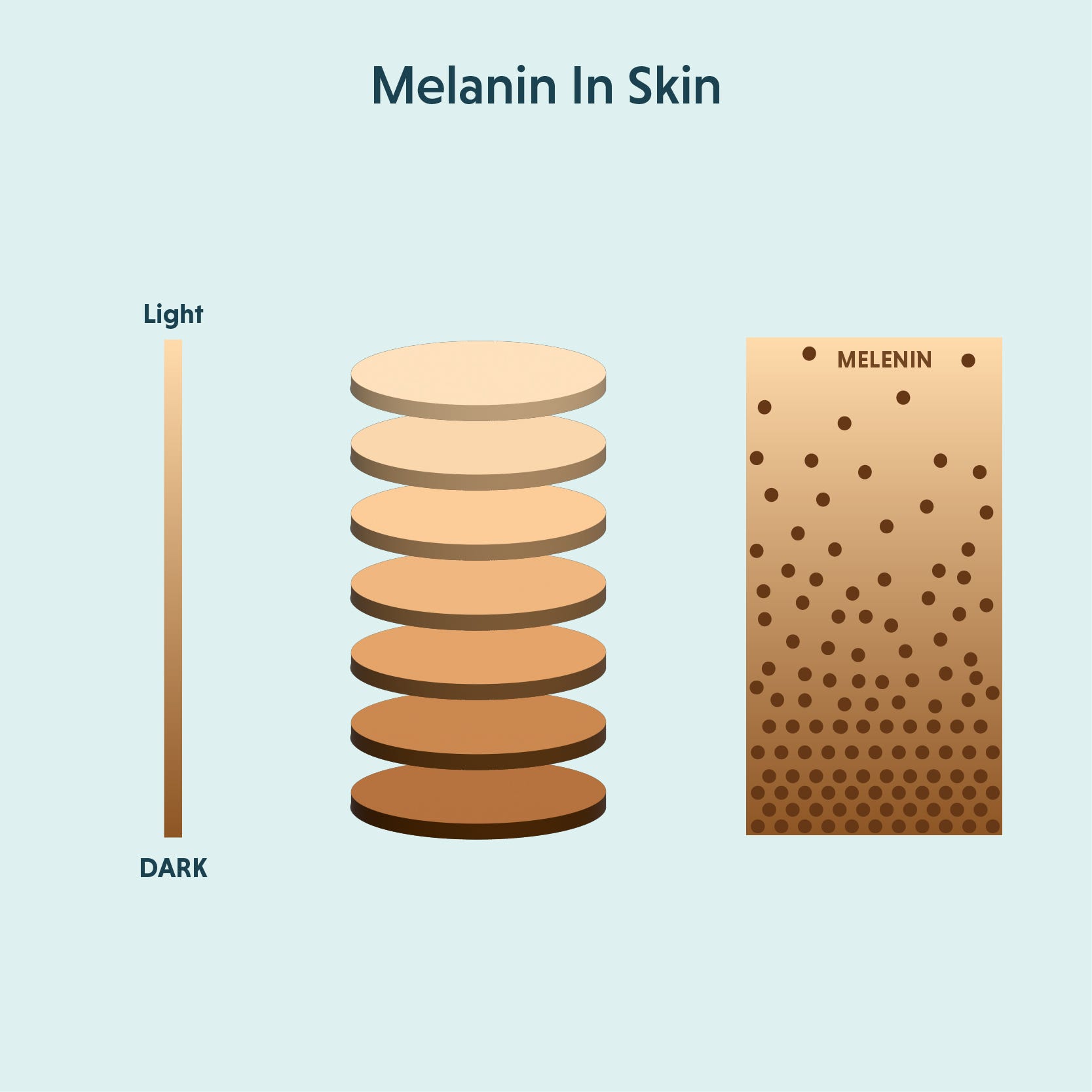
Melanins role in the skin is to absorb UV light before it causes damage to the skin cells, so the idea that there is no such thing is a solar callus is just bullshit when we know we produce melanin in response to sun exposure.
So my first point in how to tan without getting burned is that you should build your solar callus.
If you just think about it, our ancestors were out all day long year round. They were gradually building up their melanin and “solar callus” so they were ready for the high UV summertime.
You need to be doing this as well. Too many people sit inside all winter and spring, getting zero UV exposure, zero signals for the body to start producing melanin for summertime. Then they go out in peak summer without sunscreen and wonder why they get burned. It’s not because you need sunscreen, it’s just because you live an unnatural lifestyle.
Start being outside in winter and spring, getting low UV light on your skin and then gradually building up your exposure as the sun gets higher and higher in the sky.
By doing this you’re gonna be ready for summertime and it’s gonna be no problem to sit outside at peak UV without getting burned.
However, this also depends on your genetics and where you live.
For example, most people who live in Australia are not originally from there which means they don’t really have the genetics to deal with that type of UV.
The body is great at adapting to it’s environment but it might not be the best idea to spam peak UV 12-14 with your northern genetics.
You gotta use your intuition as well.
Look at lions as an example:

These guys are snoozing up in the trees at peak sun. If you like close to the equator you might want to consider this as well.
It’s not rocket science to be honest. If you feel like you’ve gotten too much sun, go sit in the shade for a while.
2. Don’t wear sunglasses
Your eyes are the messenger for telling your brain and body what time of day it is.
In fact, two thirds of the light that hits your retina isn’t actually sent to the visual cortex to be perceived as an image. It’s actually sent to the hypothalamus which then sets your circadian rhythm and signals the body’s many functions to sync to the 24 hour day and night cycle.
When you put on sunglasses you mess with this extremely important signaling and send your brain mixed signals about what time of day it is.
Just think about it logically. If it’s a really bright day outside and you decide to put on sunglasses, your eyes will think it’s a lot less bright than it actually is. Maybe it thinks it overcast and therefore decides not to signal your skin to produce as much melanin as it actually needs to protect itself.
Basically sunglasses just mess up your body’s only way to get information about the outside environment which is crucial for health.
The only time I will ever wear sunglasses is at night. One, because it looks cool. Two, because you dim the artificial light after sunset which can help you get better sleep by once again signaling to your brain that it’s dark out.

3. Eat better foods
Your diet plays a big role in your ability to stay out in the sun without burning.
Nutritious, whole foods are the building blocks your body needs to protect itself from getting sunburned.
First up, whole foods rich in antioxidants, polyphenols, carotenoids etc. (mainly fruits and vegetables) help protect you from oxidative stress and sun damage for reasons I talked about earlier.
Other thing that’s really important to be able to tan without getting burned is to cut out seed oils. Seed oils are high in PUFA’s which are really unstable and prone to oxidation (which causes oxidative stress) when exposed to heat, oxygen and UV radiation. This has something to do with the very fragile double bonds that PUFA’s contain.
Switch out foods high in PUFA’s for foods higher in saturated fats and monounsaturated fats like red meat, butter, coconut oil, and high quality extra virgin olive oil.
This fatty acids don’t have double bonds, which means they are more stable when exposed to stressors like UV light.
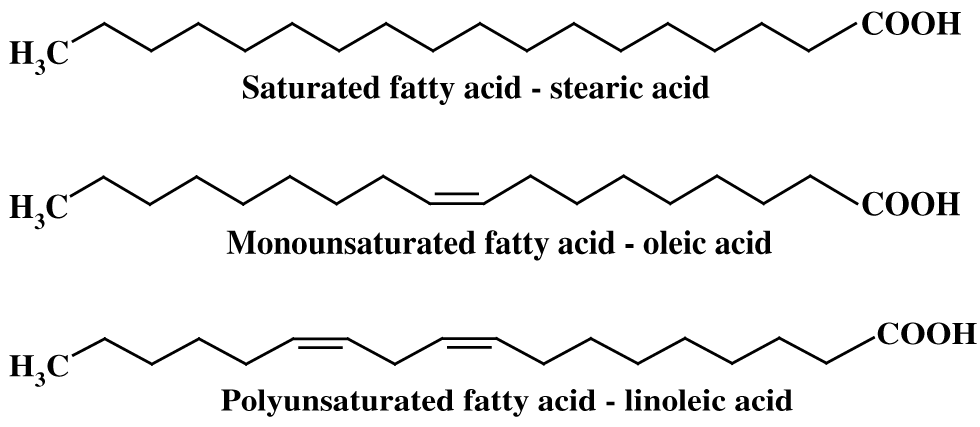
Just from personal experience as well, when I cut out seed oils and other foods high in PUFA’s I noticed that I didn’t burn as easily.
So test this out and see for yourself how big a difference it actually makes.
Whole foods also just contain way more micronutrients which are all important for protecting yourself from stressors like UV light.
Don’t go around eating junk food all day, depriving your body of the nutrients it needs, and then wonder why you keep burning so easily.
4. Morning/evening sunlight
At low solar angles (around sunrise and sunset) more short wavelength light gets filtered out by the atmosphere and more long wavelength light gets through.
This means you get more healing red and infrared light compared to uv and blue light, and like I talked about earlier these longer wavelengths of light balance out the potential negatives of the shorter wavelengths by stimulating antioxidant production and protecting against oxidative stress.
When you get sunlight around sunrise you are essentially pre conditioning your body for the more intense light that follows later in the day. You could say you are filling up your antioxidant reserves so you are gonna be ready for the high UV later.
The same goes for the sunlight around sunset, except now it’s the other way around. You are filling up your “reserves” of antioxidants that have been used at midday and are restoring and repairing the potential damages that might have occurred in response to the UV light.
This is an oversimplified version of what actually happens but basically these longer wavelengths are very healing and restorative which is why it’s great to get exposure to them at times when the UV is lower.
Sunscreen that doesn’t suck
Most sunscreens suck, I hope I have made that clear. They destroy your health, destroy the oceans and environment and put money in the pockets of big shitty conglomerates. Not good.
However, sunscreen is valuable in certain situations.
For example, if you gotta go on vacation. This can take you from a very northern, low UV environment to the equator in a couple hours which doesn’t leave your body with enough time to adapt and build up the solar callus that is so important.
For a situation like this a natural sunscreen can be a great option for a period of time before your body adjusts.
My personal favorite is just a coconut oil. This only provides about an SPF of about 5-7 which isn’t a lot. Therefore I would also recommend a non-nano zinc oxide sunscreen which you can get a lot of different places or make yourself.
Just make sure you get one that doesn’t have a bunch of shit ingredients. Ideally it should be tallow based and with as little ingredients as possible (no seed oils and shit).
Bonus
The secret health hack the government doesn’t want you to know about is called sunning your balls.
Do it, just be extra careful you don’t get a sunburn.
That’s basically it.
Thanks for reading all this yapping, I really hope you learned something and that I convinced you that sunlight isn’t something to fear.