


The sun is the source of all life on earth, no question about it. It can have profound positive effects on your health, both physical and mental if done right, but it can also have negative effects if not done right.
After all, it is a giant thermonuclear reactor sending massive amounts of energy down towards you, which is why you gotta respect it.
So here is how to sunmaxx the right way, to get the most amount of benefits and not end up wrinkly as a raisin by the time you get older.
In the natural world you wouldn’t even have to think about it, because you would already be doing every right naturally, but nowadays we live so out of tune with nature that we have to consciously think about.
How most people are doing it wrong
Nowadays, people kinda fit into two categories: sun deficient or doing it wrong.
The first group is the sun deficient. The people who believe the sun to be this horrible thing that you need to avoid at all costs because it will give them skin cancer and the skin appearance of a 98 year old.
They cover up in spf 50 every day, even in the winter time, and make sure to avoid being outside at peak uv. They use sunglasses if it’s sunny because sunlight is bad for the eyes etc. They would rather take a vitamin D supplement than go outside.
The other group is just doing it wrong. Sitting inside all winter and spring, before going outside on a peak uv summer day because they want a nice tan. Most likely they end up burning but don’t really care and do it again the next day. They don’t really pay attention to their sun exposure and whether or not they get burned.
Both of these are bad.
We wan’t to be strategic about our sun exposure to maximize the benefits, and not end up burned to a crisp, like people who just throw themselves out into peak uv without giving their body the proper input signals.
But before we go over the actual strategies on maximizing the benefits from the sun, let’s look at some of the actual benefits.
Benefits from sunlight
1. Vitamin D production
Vitamin D production is probably one of the main benefits of sunlight, not only for the actual vitamin D, but also just the tons of cascade effects optimal vitamin D levels bring.
Things like proper hormone levels, immune function, mood, bone health etc.
Basically, low vitamin D levels can result in a bunch of health problems you don’t want, like increased risk of cardiovascular disease, dementia, diabetes and even obesity.
And before you think about just taking a vitamin D supplement, no.
Taking some isolated “vitamin” made in a cheap factory from sheep’s wool will not give you the same effects as actually getting vitamin D from sunlight, in my opinion.
Also, you risk getting vitamin D toxicity as you bypass the body’s natural regulatory processes that occur when producing vitamin D in the skin from sunlight.
You also don’t know if those supplements are contaminated, like most supplements are, since they are produced in low quality environments that exposes them to toxins like heavy metals, forever chemicals etc.
Personally, I would much rather get my vitamin D from sunlight and my diet.
2. Circadian rhythm
Having a properly synced circadian rhythm, or internal clock, is extremely important for proper health.
Every single cell and process in your body runs on a time schedule set by your suprachiasmatic nucleus, that is influenced by external factors.
It just so happens that sunlight is the biggest factor for setting your circadian rhythm.
When you get proper sunlight exposure throughout the day you tell your brain and body what time of day it is, which aligns all these processes to the right time.
If you didn’t have these external factors your circadian rhythm would drift out of sync and all these vital processes would be performed at the wrong time, messing up your health.
One of the main benefits of having an aligned circadian rhythm is the positive effects it has on sleep.
With a healthy circadian rhythm it becomes easier to fall asleep, wake up refreshed and get high quality sleep.
And like I said, the best way to set your circadian rhythm is to get sunlight throughout the day, especially in the morning. Going outside as soon as possible after waking up will signal to your body that it’s daytime and help align your circadian rhythm.
When you stay inside in the morning you aren’t signaling to your body that it’s daytime so you don’t get a natural cortisol spike or start all the processes that will set you up for great sleep later that night.
So getting sunlight throughout the day, especially at sunrise and sunset is super important for circadian health, sleep and all the cascade effects you get from that.
3. Eye health
When sunlight hits your retina it stimulates the production of dopamine, which is super important for eye health and preventing myopia (short sightedness).
Myopia is the leading eye disease worldwide, growing rapidly every year.

It’s expected to affect about 50% of the population in 2050, which is just absolutely mind boggling.
You always hear people saying “myopia is just genetics” but that is just bullshit and that chart should make it clear why.
Suddenly we all just got bad genes and ended up with myopia??? No, it’s bullshit. It’s because we spend our time inside, looking at objects close up, and not getting enough sunlight.
The bright light that you get from sunlight helps prevent myopia and keeps your vision sharp.
You also just automatically look at objects further away when you’re outside which is another big part of the myopia equation.
Sunlight + looking far away = decreased risk of myopia.
Pretty simple.
Actionable step: when sitting in front of screens or anything close up, take a break about every 30 minutes to go outside and look into the horizon for 30-60 seconds (or however long you want).
4. Gut health
Believe it or not, sunlight actually improves your gut health.
Especially UV light.
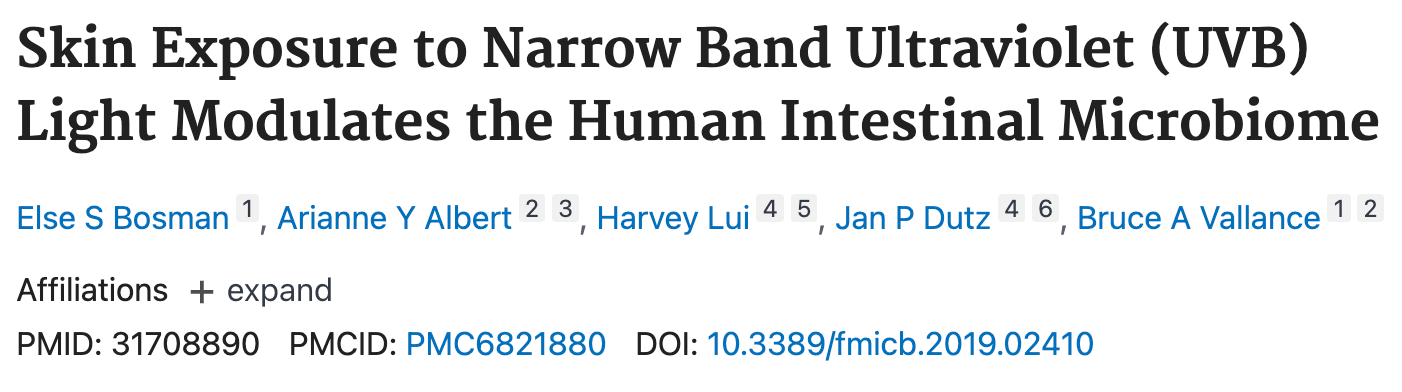
This study found increases in gut biodiversity when prospects were exposed to UVB light.
They had increases in certain beneficial bacterial strands, which is just amazing, and yet another reason why a vitamin D capsule won’t give you the same effects as actual sunlight.
5. Mitochondrial + systemic effects
Sun exposure, and in this case, particularly infrared light, is super beneficial for your mitochondrial function.
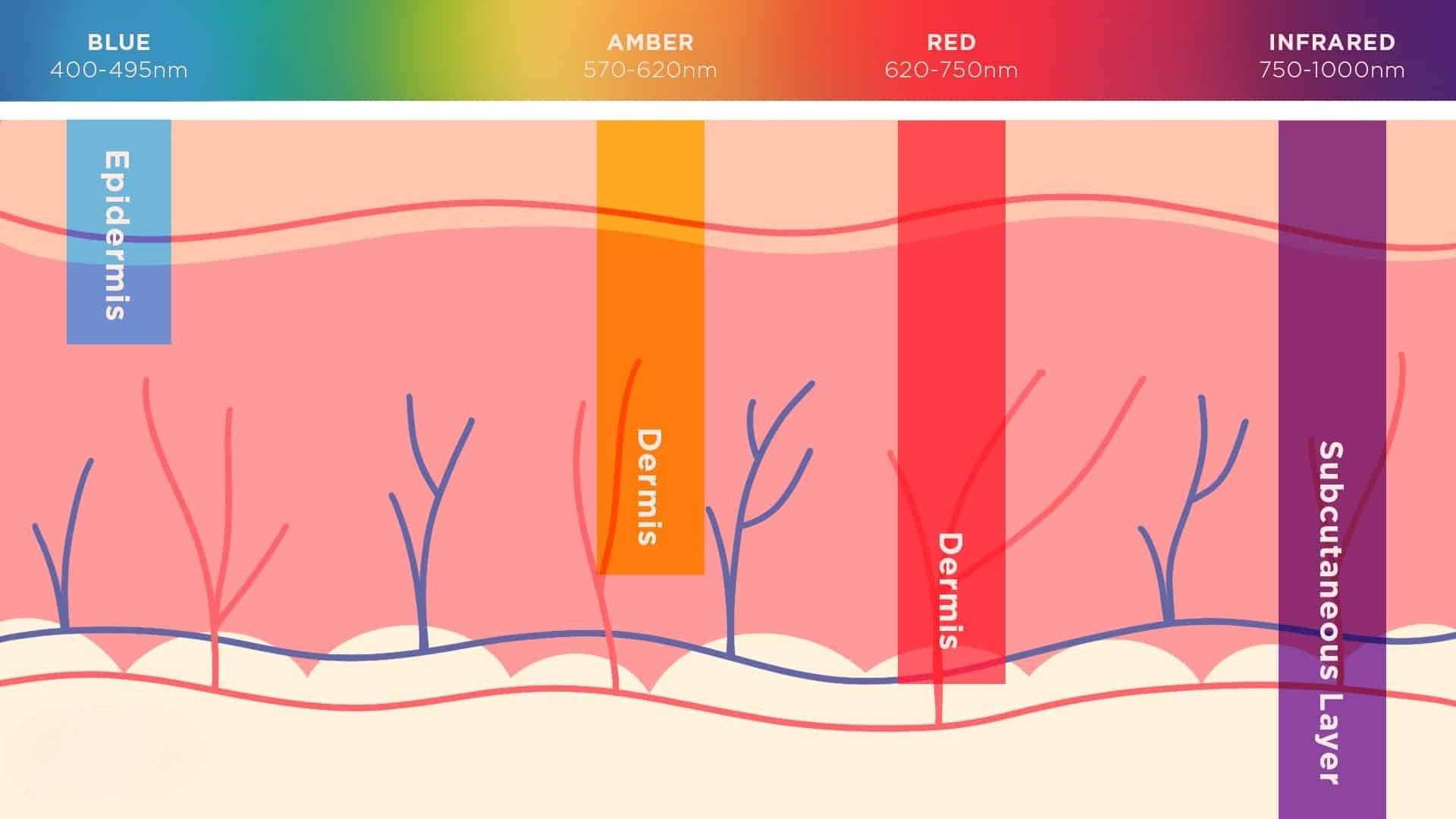
Infrared light penetrates deep into the skin and improves your electron transport chain, making ATP production more efficient.
ATP is your body’s main source of energy, and incredibly important for overall energy, recovery, physical performance and so on.
Think of it like an engine. When you get regular sunlight exposure you make your engine more efficient and able to produce more horsepower. It’s a win win.
Sitting inside all the time = bad gas mileage and low top speed
Getting sunlight = amazing gas mileage and great top speed
Beyond just the energy effects that infrared light has, it is also a stimulator of melatonin in the skin.
You might think of melatonin as a sleep hormone, and while it also is that, it’s also a potent antioxidant in the skin.
Antioxidants help combat free radicals that cause oxidative stress and inflammation, making them super important for overall health.
Oxidative stress is not something you want, as it contributes to cell and tissue damage, contributing to aging and even diseases like cancer, neurodegenerative diseases and heart disease.
Beyond that, UV light also helps stimulate nitric oxide production in the skin. Nitric oxide is a vasodilator, which means it relaxes and opens up your blood vessels, improving blood pressure and circulation.
This is independent of vitamin D and is just really important for proper blood flow and nutrient delivery to tissues around the body.
What I am getting at here is that there is basically a ton of benefits from sunlight beyond just vitamin D production. However, there are also negative effects from the sun if you don’t do it right.
Drawbacks from sunlight
1. Sunburn
The most obvious one is getting sunburned. A clear sign that you’ve gotten to much sun exposure. You’ve damaged your DNA and elicited an inflammatory reaction, hence the redness.
You get sunburned when your skins protective measures against UV light wasn’t enough, and the DNA gets damaged.
I don’t really think I have to go in depth with why sunburns are bad, I believe most people know why and wouldn’t argue anything else.
2. Photoaging
Another potential downside of sunlight if you don’t do it right is photoaging. UV light activates matrix metalloproteinases (mmp’s), enzymes that break down collagen and elastin, the proteins that keep your skin young, smooth and elastic looking.
Keeping these to a minimum is beneficial as you most likely don’t want excessive wrinkles and saggy looking skin.
But other than this there isn’t really that many downsides to the sun and both of these drawbacks can easily be mitigated with proper, strategic exposure and not just going into uv 10 after staying inside the entire winter just to get burned like crazy.
The sunmaxxing protocol
1. Building your solar callus
This is probably the number 1 thing you need to do to optimize your sun exposure, and it’s something that pretty much no one pays attention to.
And to be honest, it isn’t really some “optimization”, that just sounds so biohackery, which it isn’t. It’s mostly just about returning to nature and a natural lifestyle.
Like I talked about earlier, most people do sun exposure all wrong which is why they end up getting burned and wrinkly when they get old.
They sit inside all winter and all spring, getting pretty much zero sun exposure and then they go outside on a peak uv summer day and wonder why they get burned.
You need to think about the input signals you’re sending your body.
Our ancestors were outside every day, winter, spring, summer and autumn. They didn’t just come out for summer to tan.
This way they were gradually building up their sun exposure and uv light exposure as the days got longer and longer, and the sun got higher and higher in the sky.
By doing this, their body’s had time to adapt and build up their melanin stores in their skin, the pigment in your skin that protects you from the potential damage that uv light can have.
They gradually build their tan over the spring so they have no problem going out into peak uv sun on a summer day.
This is what you need to be simulating as well.
Obviously we aren’t cave men anymore, so you probably don’t have time to walk around outside all day long looking for berries and hunting dear, but you can get as close as possible.
Take time out of your day during winter and spring to go outside and get sun exposure. When you do this you send the right input signals that your body needs to build up it’s melanin stores, aka your tan.
You are telling your body “hey, the sun is getting stronger, better build up some protection so we don’t get sunburned”.
As oppose to sitting inside all winter and spring, which is basically like telling your body “the sun is non existent, no need to build up our melanin stores”.
The number 1 rule of nature is “if you don’t use it, you lose it”.
The body is not gonna spend valuable resources building up your tan if you don’t give it a reason to.
I haven’t really used sunscreen in over two years now (expect when I surf in high uv or go on vacation, more on that later), and I can tan and get sun exposure no problem without burning.
And that’s because I am conscious about my sun exposure leading up to summer, aka I build my solar callus.
If you don’t do this you’re just gonna get burned when you go out on a high UV day or come up with some excuses like “my skin just isn’t meant for high uv sunlight”.
So actionable step: make it a habit to get sunlight every day, no matter if it’s spring, summer, autumn or winter.
Don’t just get sunlight when the uv is high. That’s when you’re gonna damage your skin and potentially get sunburned because your skin isn’t use to it.
Think of the input signals.
If you wanna get tan and increase your ability to stay in the sun without burning, gradually increase your uv exposure. Start out with low uv exposure for a short time and gradually build up uv and time spent.
This is how you get tan the smart way without burning. Soon you will able to go out in peak uv and stay there for hours without burning.
Obviously this also depends on your genes and where you live. If you’re naturally very light skinned and move somewhere close to the equator, you might never be able to build a tan that can sustain peak uv for hours.
On the other side, if you live in a northern climate like me (i’m from denmark) and are fairly dark skinned you might not even need to do a lot of these things because your body is just naturally well protected.
So it’s about figuring out specifically what is right for you and then working on it from there.
2. Morning sunlight
Another super important step in the sunmaxxing protocol is getting morning sunlight.
If you haven’t been living under a rock you’ve probably heard a bunch of people on social media talking about it. It was really made popular by the goat, andrew huberman, and for good reason.
Morning sunlight is super important for setting your circadian rhythm, your body’s internal clock.
Having a locked in circadian rhythm improves your sleep, daytime mood, focus and alertness, improves your immune function and so much more.
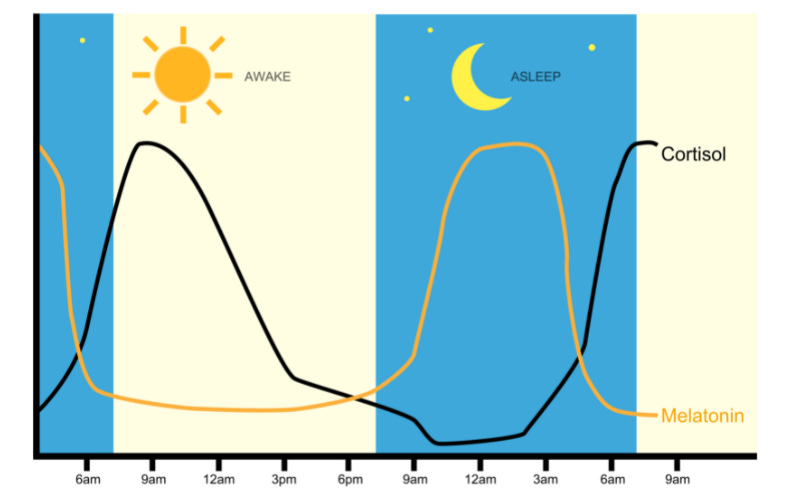
You’re suppose to get a spike in cortisol in the morning to help you wake up and feel ready and energized to take on the day.
This spike is dependent on light as the input signal, so if you don’t get your morning sunlight, this cortisol spike can get out of sync, making you feel tired, sluggish and ultimately making your sleep worse.
Morning sunlight will also help decrease melatonin, the sleep hormone in your brain, which once again helps with daytime mood, focus and alertness and makes sure you don’t walk around like a zombie all day.
It also decreases your risk of getting sunburned, because it front loads your mitochondria with melatonin, an antioxidant thats super important for fighting free radicals (uv light) and keeping oxidative stress low.
It’s like putting up the army before the battle so they’re actually ready for the battle, which in this case is getting high uv sun exposure later in the day.
The reason it does this is because morning sunlight is high in long wavelength light (red and infrared) and low in short wavelength light (blue and uv).
This is because the sun is at such a low solar angle, which means that shorter wavelengths actually get filtered out by the atmosphere and you’re left with these healing wavelengths.
This is why the sun looks more reddish tinted in the morning at sunrise and in the evening at sunset.
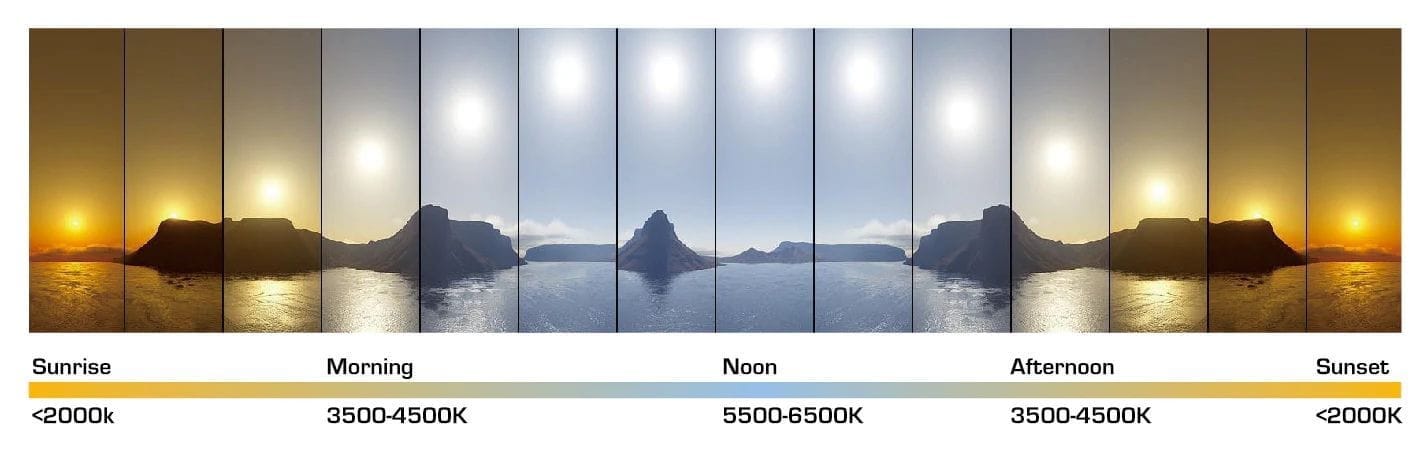
There’s just a million reasons why morning sunlight is so important for your health, and the best part about it is that it’s free and doesn’t take more than 10-20 minutes every morning.
So the actionable step: get outside, even if it’s cloudy, overcast or raining, and get sunlight in your eyes for 10-30 minutes depending on the weather conditions.
If it’s a sunny day, you probably don’t need more than 10 minutes to get the desired effect, however, the longer the better no matter what. If it’s cloudy, overcast or raining, closer to the 20-30 minute mark will probably be better.
In the end just make sure you do it, and if you miss a day try to get twice as much the next.
3. Dietary foundations
You probably wouldn’t think diet to play a role in sunlights effect on your health, but it actually does.
There are certain nutrients in food that help protect you from sunlight from the inside out, and certain foods/nutrients to avoid.
Things like:
antioxidants
polyphenols
omega 3 fatty acids
carotenoids
collagen
avoiding PUFA’s
etc.
Antioxidants
Antioxidants do what they say. They are ANTI oxidants. They decrease oxidative stress by neutralizing free radicals.
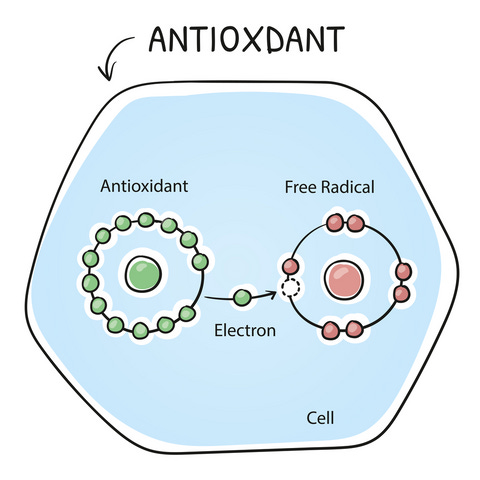
Antioxidants work by donating an electron to free radicals making them stable again, so they don’t go around harming cells and causing oxidative stress.
Sunlight is a balance. On the one side you have the uv light trying to cause oxidative stress by generating ROS (reactive oxygen species) and on the other hand you have your body’s antioxidant system trying to combat this.
If the scale tips to the side of uv light and your body’s antioxidant system can’t keep up, you get oxidative stress and potentially get sunburned + the negative effects thereof. Not good.
Therefore you wanna support your body’s antioxidant system as much as you can, by supporting your natural production of them and consuming them through food.
Antioxidants are mostly found in plant foods.
Vitamin C is one of the most potent antioxidants, so it’s worth focusing on.
Vitamin C is actually produced in the plant to protect it from the sun, which is why it’s mostly high in plants that get a lot of sunlight like oranges, grapefruit, kiwi’s, certain berries, etc.
Vitamin C is also important because it’s a co factor in the synthesis of collagen, which gets broken down by uv exposure.
Another important antioxidant you potentially wanna look into is astaxanthin. It’s a carotenoid found in wild salmon, krill, algae and so on. It accumulates in your skin (like betacarotene from carrots that can make your skin orange tinted) and literally acts as an internal sunscreen.
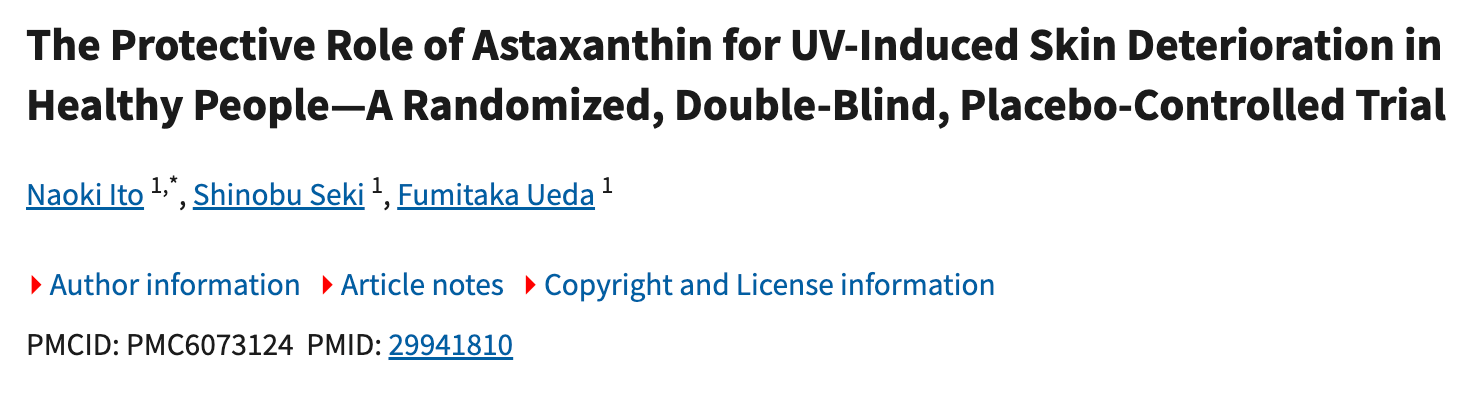
Multiple studies show that astaxanthin has potent antioxidant like effects and is very good at preventing skin deterioration caused by uv light.
Like I said, it can be found in food like wild caught salmon but a lot of people also supplement it to get the desired dose.
But as with all supplements, make sure you some high quality stuff made from whole foods, not synthesized from some random stuff, preferably 3rd party tested for pollutants as well.
Basically just try to eat a wide range of fruits and vegetables to get your antioxidants in. It’s pretty simple.
Polyphenols in plants also act like antioxidants in the body, which is yet another reason to ditch the bs carnivore diet and actually incorporate some fruits and veggies in your diet.
Lastly, grounding is another really important thing that has amazing antioxidant effects.
Grounding, the act of being connected to the earth with your body (standing on grass, sand, dirt, swimming in the ocean, etc.) allows free electrons to flow to your body and neutralize free radicals, improve your blood flow and so much more.
It’s an amazing thing you can do and the best thing is that it’s free.
Try to ground whenever you’re out getting sunlight so you actually get those antioxidant effects while you’re getting uv light.
Omega 3 fatty acids
Normally you want to avoid polyunsaturated fatty acids, more on that a little later, but omega 3 fatty acids are the exception.
Omega 3 fatty acids have a bunch of general health effects, but are also amazing for skin health. They decrease inflammation and make your cells more resistant to oxidative stress and uv damage through a bunch of mechanisms.
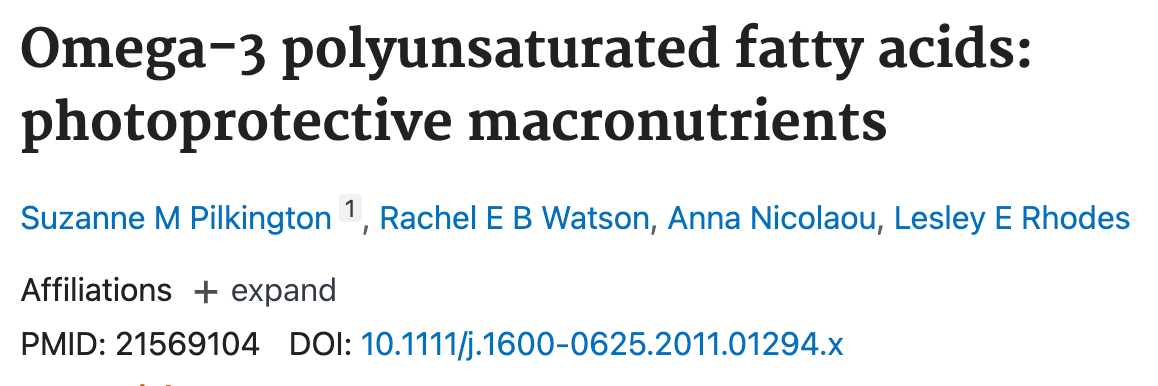
The best source for the omega 3 fatty acids you want, EPA and DHA, are fatty fish like wild caught salmon, mackerel, sardines etc.
A lot of people will recommend stuff like walnuts and flaxseed as being high in omega 3, but that is not really true. Well yes, they are technically high in omega 3, but they are high in ALA, not EPA and DHA, which is what your body actually wants.
This means you have to convert it into EPA and DHA, but the problem is that it’s a pretty poor conversation rate.
This is why I would just rather eat fatty fish and get the actual omega 3 your body needs + all the other great nutrients you find in fish.
Aim for a couple servings per week of low heavy metal, wild caught fish. I wouldn’t go gobbling down tuna or swordfish every day as you might into a heavy metal problem which you don’t want.
Wild caught salmon and sardines are my two favorites as they are low in heavy metal.
Another thing I would avoid is fish oil. It seems so much easier just to take a couple fish oil pills per day but I would stay away from them.
99% of them are rancid and oxidized, as PUFA’s are highly unstable and oxidize easily when exposed to light, heat, etc.
Most are also polluted with contaminants like heavy metals, microplastics and other stuff you don’t want.
Stay away.
Avoiding PUFA’s
Other than omega 3’s I would stay as far away from polyunsaturated fats as possible. Once again, they are highly unstable and easily oxidize.
When these oils get stored in your skin and get exposed to uv light, they oxidize and cause damage, making it easier to get sunburned.
We also know that a high omega 6 to omega 3 ratio has a multitude of negative effects for the body, including increased inflammation, higher risk of cancer, cardiovascular disease and all cause mortality.
Stay away from polyunsaturated fats as much as possible for overall health and not getting sunburned as easily.
I personally notice that I never really burn after cutting out seed oils and other sources of PUFA’s, especially omega 6’s.
It might also just be all the other stuff that I’ve talked about, but it’s also something other people report on.
This article is getting way too long, but some other nutrients you wanna prioritize are carotenoids and collagen, along with the ones I already went over.
4. Sunscreen
I don’t normally recommend sunscreen, especially not traditional sunscreen, but there is certain use cases for sunscreen.
The reason I don’t recommend sunscreen normally is first of all, the tons of shitty ingredients you find in most sunscreens.
Avobenzone, oxybenzone, octocrylene etc. All these are proven to cause cancer, mess up your endocrine system and they also destroy the oceans and reefs.
Avoid.
The second reason I don’t really like sunscreen is that most people just use sunscreen all the time, totally blocking all the benefits of the sun that I just wen’t over.
I see so many people applying moisturizers with spf literally every day, even if it’s winter time just because some skincare influencer told them some bs about looking wrinkly in 5 years if they don’t do it.
You need uv light so don’t be someone that applies sunscreen every day just because some sun fearing influencer told you so.
However, with that said, there are specific times where you can leverage sunscreen use for your benefit.
Vacation
If you suddenly travel to a place with much higher uv than where you came from, your body won’t have time to adapt. Therefore it can be a good idea to use a high quality sunscreen the first couple of days during high uv hours to help your body adapt and not get burned. High quality sunscreen is natural mineral sunscreen, specifically non nano zinc oxide. This reflects the suns rays instead of chemically breaking them down when they hit the skin. Get a sunscreen with all natural ingredients like beef tallow, coconut oil, shea butter, etc.
Surfing, etc.
Activities like surfing require you to be in the water for long periods of time, often while the uv is high. On top of that, the water reflects the uv light that hits it so you get even more uv exposure than if you were on land. When I surf during a uv index above 8 I put on some natural sunscreen on my face. Obviously again this depends on your conditions, how dark your skin is, what the uv is, etc. so act accordingly.
Conclusion
Sunlight = good for you, but be strategic about your exposure depending on your conditions (environment, skin color, time of year, etc.) so you maximize the benefits with as little drawbacks as possible.
And in general, the benefits far outweigh any potential drawbacks unless you go out and get horribly sunburned every day.
Benefits include better skin health, hair health, improved vision, improved mitochondrial function, improved mood, focus and daytime alertness, improved blood flow, improved gut health and so much more.
Risks include getting a couple wrinkles when you get older if you aren’t strategic about it. Wow, how horrible. You actually look like you lived your life, instead of sitting inside with all your life just to potentially say “I don’t have wrinkles”…
Btw, you’ll get worse skin health by sitting inside under blue light all day anyways.
So get sunlight.
Thanks for reading, I hope you learned something :)
— Kasper Veritas